
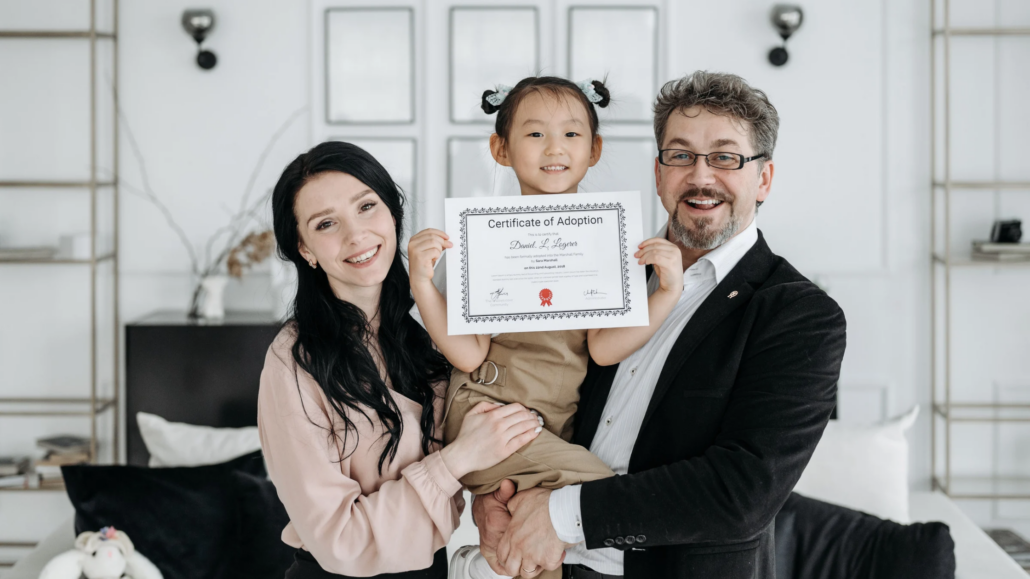
National Adoption Month: What Illinois Families Should Know About Stepparent and Relative Adoption
Adoption can be an important step toward creating a permanent legal family relationship. For stepparents who have helped raise a spouse’s child or relatives who have stepped into a caregiving role, adoption may provide a way to formalize an existing family bond and establish legal parental rights and responsibilities.
However, adoption involves more than a personal commitment. It is a legal process governed by requirements concerning eligibility, parental consent, existing parental rights, court proceedings, and the child’s circumstances.
November is National Adoption Month, making it an appropriate time to raise awareness about adoption and help Illinois families understand the legal considerations involved. Although adoption can take several forms, stepparent and relative adoptions may present unique questions because the prospective adoptive parent already has a relationship with the child.
For example, what happens when a stepparent wants to adopt a child but the other legal parent does not agree? Can a grandparent or another relative adopt a child who is already living in their home? What legal steps must be completed before an adoption becomes final?
Understanding the answers can help families prepare for the process and identify issues that may require legal guidance.
In recognition of National Adoption Month, Masters Law Group explores what Illinois families should know about stepparent and relative adoption, including eligibility, consent requirements, court procedures, and the role of family law in addressing adoption-related legal matters.
Understanding Adoption Under Illinois Law

Adoption is a legal process that establishes a parent-child relationship between an adoptive parent and a child. Once an adoption is finalized, the adoptive parent generally assumes the legal rights and responsibilities associated with parenthood.
Adoption can also affect the child’s existing legal family relationships. Depending on the circumstances and applicable law, the legal relationship with a biological or other legal parent may be terminated, and certain existing parental rights and responsibilities may change.
In Illinois, adoption proceedings are primarily governed by the Illinois Adoption Act. The Act establishes requirements for adoption petitions, eligibility, consent, and other aspects of the legal process.
The procedures applicable to a particular adoption depend on the family’s circumstances. A stepparent adopting a spouse’s child may encounter different requirements from a grandparent seeking to adopt a grandchild or a relative adopting a child through the child welfare system.
An existing relationship with a child does not automatically establish legal parental rights. Even when a stepparent or relative has provided care for years, the applicable legal requirements must be satisfied before an adoption can be finalized.
Families may also need to understand how adoption relates to other legal issues involving parentage and parental responsibilities. Masters Law Group discusses these issues in its article on determining parentage under Illinois law.
What Is Stepparent Adoption?

Stepparent adoption occurs when a person seeks to legally adopt their spouse’s child. This may arise in blended families where a stepparent has developed a meaningful parental relationship with a child and wishes to formalize that relationship under the law.
For some families, adoption can provide greater legal clarity regarding parental responsibilities and the child’s legal relationship with the stepparent. However, the decision can also affect the rights of the child’s other legal parent.
Who Can Pursue Stepparent Adoption in Illinois?
Illinois law establishes requirements for individuals seeking to adopt and addresses when spouses or civil union partners must participate in an adoption proceeding.
Under Section 2 of the Illinois Adoption Act, a spouse or civil union partner seeking to adopt the child of their spouse or partner generally must pursue the adoption jointly with that spouse or partner, subject to the statute’s applicable requirements and exceptions.
Prospective adoptive parents should review their circumstances carefully to determine how these provisions apply to their family.
Does the Other Legal Parent Have to Consent?
Consent is often one of the most important issues in a stepparent adoption.
Depending on the circumstances, the child’s other legal parent may need to provide legally valid consent. If that parent agrees to the adoption, the required consent procedures must still be followed.
However, some parents may oppose the adoption, be unavailable, or have circumstances that raise questions about their legal rights. Illinois law identifies specific circumstances in which consent may not be required, but those exceptions must be evaluated under the applicable statutory standards.
A parent’s limited involvement, absence from the child’s life, or failure to pay child support does not automatically eliminate their parental rights.
When consent is disputed, the court may need to consider the relevant facts and determine whether the legal requirements for proceeding without consent have been met.
For additional context on the relationship between adoption and changing family circumstances, read Masters Law Group’s article, Does Divorce Affect Adoptions in Illinois?.
What Is Relative Adoption?

Relative adoption occurs when a family member seeks to adopt a child. Depending on the circumstances, the prospective adoptive parent may be a grandparent, aunt, uncle, sibling, or another relative who qualifies under applicable law.
Relative adoption may be considered when a family member has assumed a caregiving role, when a child’s parents are unable to provide care, or when adoption is being pursued as a permanent legal arrangement.
For example, a grandparent who has been caring for a grandchild may wish to establish a legal parent-child relationship. Similarly, an aunt or uncle may consider adoption when a child has been living in their home and adoption is an appropriate option under the circumstances.
Masters Law Group provides additional background on related adoption arrangements in its overview of different types of adoption in Illinois.
Is Relative Adoption Different From Guardianship?
Yes. Adoption and guardianship are distinct legal arrangements, and the appropriate option depends on the family’s circumstances.
Adoption generally establishes a permanent legal parent-child relationship and can change existing parental rights. Guardianship, by contrast, generally gives a guardian specified authority and responsibilities for a child without itself establishing the same legal parent-child relationship as adoption.
A relative who is caring for a child should not assume that guardianship automatically leads to adoption or that the requirements for one arrangement satisfy those for the other.
Families may wish to understand the differences before deciding which legal arrangement is appropriate. The child’s existing legal relationships, the parents’ circumstances, and the family’s long-term goals may all be relevant.
Does a Relative Need the Parents’ Consent?
The answer depends on the specific circumstances and the applicable provisions of Illinois law.
A relative adoption may require consent from the individuals identified by statute unless a legally recognized exception applies. If a parent disputes the adoption, questions concerning parental rights and the grounds for proceeding without consent may need to be addressed.
The fact that a relative has been providing day-to-day care does not automatically transfer parental rights or eliminate the need to follow the adoption process.
Families should evaluate the available legal options before taking steps that could affect a child’s existing family relationships.
What Are the Legal Requirements for Adoption in Illinois?

Although requirements vary by case, several legal considerations are particularly important for families pursuing stepparent or relative adoption.
1. Eligibility to Adopt
Illinois law establishes requirements for individuals seeking to adopt. Section 2 of the Adoption Act addresses who may petition for adoption and certain requirements involving residence and participation by a spouse or civil union partner.
The applicable provisions may differ based on whether the child is related to the prospective adoptive parent, whether an agency is involved, and other circumstances.
Meeting the basic requirements to file a petition does not guarantee that an adoption will be approved. The court must consider whether the applicable statutory requirements have been satisfied.
2. Consent and Existing Parental Rights
Consent is a central consideration in many adoption proceedings.
Section 8 of the Illinois Adoption Act addresses whose consent or surrender is required and the circumstances in which consent may not be necessary. Section 10 addresses the forms and execution of adoption consents and surrenders.
These requirements are important because adoption can have lasting consequences for the individuals involved. The validity of consent, the identity and legal status of a parent, and any dispute over parental rights may affect how a case proceeds.
Families should not rely on informal agreements or verbal assurances as substitutes for the required legal procedures.
3. Required Documentation
Adoption proceedings require appropriate legal documentation. Depending on the circumstances, this may include the adoption petition, required consents, supporting records, and other documents required by statute or court procedure.
Incomplete information, missing records, or questions about the child’s legal parentage may create additional issues that must be addressed before the proceeding can move forward.
Organizing relevant documents and understanding the requirements before filing can help families prepare for the legal process.
4. Court Review and Approval
An adoption must satisfy the applicable legal requirements before a court can enter a final decree.
The court may need to review the petition, consider evidence, address questions about consent or parental rights, and determine whether additional procedural steps are necessary.
If a parent contests the adoption, the proceedings may involve additional legal issues and evidence. The court’s decision depends on the governing law and facts of the case.
Step-by-Step: How Does the Adoption Process Work?

The exact process varies, but families pursuing a stepparent or relative adoption can generally expect several key stages.
Step 1: Evaluate the Family’s Circumstances
The first step is identifying the appropriate legal pathway.
Families should consider their relationship to the child, the status of the child’s existing legal parents, any current court orders, and whether consent is likely to be an issue.
For example, a stepparent adoption may raise different questions from a grandparent adoption involving a child whose parents are unable to provide care.
Evaluating these circumstances early can help identify which statutory requirements and court procedures may apply.
Step 2: Address Consent and Parental Rights
Before proceeding, families should determine whose consent may be required and whether any legal questions involving parental rights need to be resolved.
If the relevant parties agree to the adoption, the required consent procedures must still be followed.
If a parent objects or cannot be located, the family may need legal guidance concerning notice, consent, and any applicable statutory grounds for proceeding without consent.
Because these issues can significantly affect an adoption, they should be addressed carefully rather than treated as administrative formalities.
Step 3: Prepare the Required Documents
The adoption petition and supporting documents must comply with applicable Illinois law and court rules.
Depending on the circumstances, the family may need to gather information about the child, the prospective adoptive parent, existing legal relationships, and required consents.
The documents and procedures can vary by adoption type, so families should confirm the requirements for their specific case.
Step 4: File the Adoption Petition
The adoption petition formally asks the court to approve the proposed adoption.
The petition must be filed in accordance with the applicable requirements, and individuals whose rights or interests are affected may need to receive appropriate notice.
The court process may differ depending on whether the adoption is uncontested or involves disputed legal issues.
Step 5: Complete Any Required Proceedings
The court may need to consider evidence, address disputes, or determine whether additional requirements must be met.
In contested cases, questions about consent or parental rights can make the process more involved. Families should be prepared for the possibility that the court may require additional information or proceedings.
Step 6: Obtain the Final Adoption Decree
If the court determines that the legal requirements have been met, it may enter a final decree of adoption.
The decree establishes the legal parent-child relationship and has the legal effects provided by Illinois law.
After finalization, families may need to complete administrative tasks, such as obtaining updated vital records or updating relevant personal records. The appropriate steps depend on the circumstances of the adoption.
What If a Parent Opposes the Adoption?

A parent’s objection can create significant legal questions, particularly in a stepparent or relative adoption.
Illinois law does not allow a parent to lose parental rights automatically simply because another person has provided care for the child or wishes to adopt them.
Instead, the court must consider the applicable legal requirements. Depending on the case, this may involve determining whether consent is required, whether a statutory exception applies, or whether legally recognized grounds exist for terminating parental rights.
The distinction is important: a disagreement between adults is not, by itself, a substitute for the legal standards governing adoption.
Families should also understand that adoption is different from a dispute over parenting time or the allocation of parental responsibilities. A court order addressing parenting arrangements does not automatically establish that an adoption may proceed.
Masters Law Group explains the distinction between decision-making authority and parenting time in its article, What Are Allocation of Parental Responsibilities?.
When an adoption is contested, an attorney can help explain the applicable law, identify the issues that need to be resolved, and assist with the required legal proceedings.
How Long Does Adoption Take in Illinois?

There is no universal timeline for stepparent or relative adoption.
The duration can depend on the completeness of the petition, the availability of required documentation, whether consent is disputed, court scheduling, and any additional proceedings that may be necessary.
An adoption involving agreement among the relevant parties may follow a different path from one involving contested parental rights or questions about legal parentage.
Families should be cautious about relying on generalized estimates or guarantees. An attorney familiar with the circumstances can help identify the likely procedural steps and explain factors that may affect timing.
For more information about family law developments and related legal topics, readers can explore the Masters Law Group news and resources page.
How Can a Family Law Attorney Help With Adoption-Related Issues?

Adoption involves legal questions that can affect a child’s family relationships for years to come. A family law attorney can help individuals understand the requirements applicable to their circumstances and determine which issues may need to be addressed.
Depending on the matter and the scope of the attorney’s practice, assistance may include:
- Explaining applicable adoption laws: Helping families understand the statutory requirements relevant to their circumstances.
- Reviewing parental rights and consent issues: Identifying questions involving existing legal parents, required consent, and potential disputes.
- Clarifying legal options: Explaining the distinctions between adoption, guardianship, and other family law arrangements.
- Preparing and reviewing legal documents: Helping ensure that the required filings and supporting documentation address the relevant legal requirements.
- Addressing contested proceedings: Assisting with legal issues that arise when a parent objects or other disputes affect the adoption.
- Explaining the court process: Helping families understand procedural requirements and what to expect as the case progresses.
The appropriate legal approach depends on the facts of the case. Families should seek guidance specific to their circumstances rather than assume that one adoption process applies to everyone.
To learn more about the firm’s work, explore the Masters Law Group practice areas or visit the attorneys’ profiles.
Because the firm’s specific adoption representation services should be confirmed, prospective clients can contact the firm to discuss their circumstances and determine whether it can assist with their particular matter.
National Adoption Month: Understanding the Legal Steps Toward a Permanent Family Relationship

National Adoption Month provides an opportunity to recognize the many circumstances that lead families to consider adoption and to increase awareness of the legal process involved.
For stepparents and relatives in Illinois, adoption may offer a way to establish a permanent legal parent-child relationship. However, the process requires careful consideration of eligibility, consent, parental rights, documentation, and court approval.
Understanding these requirements can help families prepare for the decisions ahead and recognize when a legal issue may require additional attention.
Every family’s circumstances are different. Whether a family is exploring adoption for the first time or navigating questions about an existing parent’s rights, obtaining accurate information is an important part of making informed decisions.
Masters Law Group assists clients with family law matters, including divorce and related legal issues. Individuals with adoption-related questions can visit Masters Law Group to learn more about the firm’s services and contact its team.
Disclaimer: This article is for general informational purposes only and does not constitute legal advice. Illinois adoption laws and court procedures may change, and their application depends on the circumstances of each case. Reading this article does not create an attorney-client relationship. Individuals considering adoption should consult a qualified attorney regarding their specific legal situation.